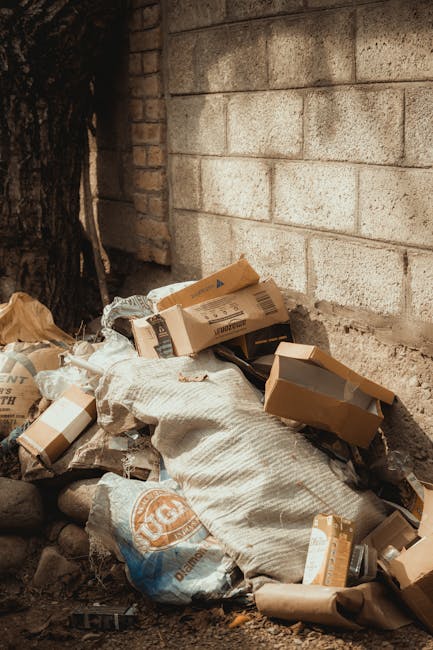
Rubbish removal tips Stoke Newington Church Street: a practical guide for faster, cleaner clear-outs
If you are dealing with a flat full of boxes, a battered sofa, builder's rubble, or the kind of mixed rubbish that seems to breed overnight, you are not alone. Rubbish removal tips Stoke Newington Church Street are most useful when you need a clear, sensible plan rather than guesswork. On a busy stretch like Church Street, with tight pavements, resident traffic, and a constant shuffle of deliveries, the difference between a smooth clearance and a frustrating one often comes down to preparation.
This guide walks you through the practical side of rubbish removal in plain English: what to sort first, how to avoid overspending, what to do with awkward items, and when it makes sense to bring in professional help. It also covers common mistakes, local best practice, and a simple checklist you can use before anything leaves the door. Let's make the job easier, not more chaotic.
Quick summary: sort your waste early, separate reusable from disposable items, check for restricted materials, protect access routes, and use the right service for the right job. That alone saves time, money, and a fair bit of stress.
Table of Contents
- Why Rubbish removal tips Stoke Newington Church Street Matters
- How Rubbish removal tips Stoke Newington Church Street Works
- Key Benefits and Practical Advantages
- Who This Is For and When It Makes Sense
- Step-by-Step Guidance
- Expert Tips for Better Results
- Common Mistakes to Avoid
- Tools, Resources and Recommendations
- Law, Compliance, Standards, or Best Practice
- Options, Methods, or Comparison Table
- Case Study or Real-World Example
- Practical Checklist
- Conclusion
- Frequently Asked Questions
Why Rubbish removal tips Stoke Newington Church Street Matters
Church Street has its own rhythm. It is busy, a bit narrow in places, and full of homes, small businesses, and busy people trying to get on with their day. That makes rubbish removal more than a simple "load it up and go" task. If you leave waste unmanaged, it can quickly turn into blocked entrances, unpleasant smells, cluttered communal areas, or an awkward conversation with neighbours. Nobody needs that on a Wednesday morning.
Good rubbish removal tips matter because they help you avoid wasteful trips, unsafe lifting, and poor sorting. They also help you decide whether you are dealing with ordinary household rubbish, bulky items, green waste, builder's debris, or something that should be treated separately. Once you know the type of waste, the rest becomes much easier.
There is also a financial angle. A rushed clearance often costs more because people pay for unnecessary collections, miss the chance to reuse items, or dump mixed waste that should have been separated. In our experience, the quickest way to save money is often to spend ten minutes planning first. Sounds obvious, but it is surprising how often that gets skipped.
And then there is the practical side. If you live or work near Church Street, access can be fiddly. Parking, stairwells, shared hallways, loading points, and the general stop-start pace of a London street all matter. Proper planning reduces noise, disruption, and the risk of damage to floors, walls, and door frames.
How Rubbish removal tips Stoke Newington Church Street Works
The basic process is straightforward, even if the waste itself is not. Start by identifying what you want removed, then group items by category. That means separating general rubbish from furniture, electricals, green waste, building waste, and anything potentially hazardous. Once the load is clearer, it is easier to choose the right method of disposal.
For many people, the job falls into one of three patterns. First, there is the small clear-out: a few bags, some broken household items, maybe a mattress. Second, there is the bigger declutter: furniture, loft clutter, garage contents, or an end-of-tenancy pile-up. Third, there is the mixed or trade-style removal: packaging, offcuts, rubble, or renovation debris. Each one calls for a different level of planning.
If you are doing it yourself, you will need to think about transport, loading, and disposal points. If you are using a clearance service, the important part is giving a clear description of the waste and access. A short stairwell, no parking outside, or an item that needs two people to carry should be mentioned early. It avoids that awkward moment when everyone turns up and realises the sofa is not going anywhere without a plan.
The most efficient rubbish removal usually follows a simple sequence: assess, sort, protect, remove, and sweep up after. That final sweep-up matters more than people think. A space can look "done" and still have sharp splinters, screws, dust, or packaging left behind.
Key Benefits and Practical Advantages
There are obvious benefits to getting rubbish removal right, but some are less obvious until you have lived through a messy clearance. The first is space. Once waste is gone, rooms feel larger, lighter, and easier to use. A cluttered hallway becomes passable again. A spare room becomes a spare room again, which is nice for everyone.
The second benefit is safety. Bulky waste, broken glass, loose nails, old appliances, and stacked bags can all create trip hazards. On stairs and narrow landings, one unstable item can slow everything down. Clear sorting and correct handling reduce that risk significantly.
The third benefit is speed. When items are separated properly, they are faster to move and easier to load. A mixed pile of rubbish, furniture, and electricals takes longer because the team has to stop and think at every turn. That is fine in a one-off sense, but not ideal if you are on a deadline.
The fourth is environmental common sense. Reusable furniture can often be kept out of the waste stream, while recyclable materials can be directed appropriately. If sustainability matters to you, it should also matter to the plan. A service such as recycling and sustainability can be a useful part of that thinking.
Finally, there is peace of mind. That might sound soft, but it is real. A tidy property changes the whole atmosphere. You hear it in the echo of the hallway, you notice it when the bags are gone, and suddenly the job does not feel like a hanging cloud anymore.
Who This Is For and When It Makes Sense
This kind of rubbish removal advice is useful for a wide range of people. Homeowners clearing a house after years of accumulated belongings will need a different approach from a tenant trying to leave a flat in decent shape before handover. Landlords, estate managers, local businesses, and tradespeople all face their own version of the same problem: waste builds up quickly, and it is rarely just one type of waste.
If you are clearing a property after a move, a renovation, or a bereavement, the emotional load is often as heavy as the physical one. In those situations, it helps to work room by room and avoid making every decision at once. That is not laziness. That is sane.
Business owners on or near Stoke Newington Church Street may need clearance for packaging, broken fixtures, office furniture, or stock that is no longer fit for use. For those situations, business waste removal can make more sense than piecemeal trips to a disposal point.
Builders and renovators often need a different type of support again. Dusty offcuts, plasterboard, timber, and rubble are not the same as household clutter, and they need a more careful approach. If that is your scenario, take a look at builders waste clearance for a more suitable route.
To be fair, even a small job can justify getting help if access is awkward, the waste is heavy, or you simply do not want a weekend swallowed by van trips and sore backs.
Step-by-Step Guidance
Here is the cleanest way to handle a rubbish removal job without overcomplicating it.
- Walk through the space first. Make a quick list of what is staying, what is going, and what needs special handling. This takes less time than it sounds.
- Separate items by type. Group furniture, bags of mixed rubbish, electrical items, green waste, and building debris into their own piles.
- Check for reusable items. A surprisingly decent chair, a working appliance, or a cupboard in good nick may be better kept out of the waste pile.
- Identify awkward or restricted items. Mattresses, fridges, sofas, and certain materials need the right route. If you are unsure, ask before loading anything.
- Clear the access route. Move shoes, mats, bikes, and anything else that could slow the team down or cause damage.
- Protect floors and corners. A quick layer of cardboard or blankets can prevent scuffs in narrow hallways or stairwells.
- Confirm timing and loading details. Think about parking, lift access, and whether the collection needs to happen early or outside busy hours.
- Do a final sweep. Once the waste is gone, check for nails, shards, dust, and smaller bits that always seem to hide under the bigger stuff.
If you are tackling a full property, services like house clearance or home clearance may be more appropriate than trying to treat it as ordinary rubbish. Same with loft clutter, which always looks smaller until you start carrying it down the stairs. Funny how that works.
Expert Tips for Better Results
One of the best tips is to sort at the source. Do not make one giant "maybe" pile and promise yourself you will deal with it later. Later is where good intentions go to sit down and disappear. Instead, use separate corners, bags, or boxes from the start.
Another useful tactic is to remove the easiest items first. That gives you space to move, which then makes the harder items easier. The order matters more than people expect. Get the lighter clutter out and suddenly the room breathes a little.
For bulky furniture, check whether items can be dismantled safely. Beds, wardrobes, and shelving often become much easier to handle once they are broken down into manageable parts. Just keep the screws and fittings in a labelled bag so you do not leave a trail of mystery hardware behind you.
If you are dealing with mixed waste, watch out for hidden hazards. Old cleaning chemicals, paint tins, broken electronics, and damaged appliances should not be treated the same way as normal rubbish. When in doubt, separate them and get advice. A service that handles hazardous waste disposal is useful where items need extra caution.
For bulky furniture that is still in decent condition, you may also want to think about dedicated disposal routes. The pages for furniture clearance and furniture disposal can help you match the method to the item, rather than forcing everything into one approach.
And a small but important one: take photos before collection. Not for the memory. For clarity. A quick set of pictures helps everyone understand volume, access, and any unusual items. It prevents the classic "that looked smaller on the phone" moment.
Common Mistakes to Avoid
The biggest mistake is underestimating volume. Two bags become five, then a mattress appears, then there is an old desk, and suddenly you are looking at a proper clearance instead of a tidy little dump run. Always allow more space than you think you need.
Another common error is mixing the wrong items together. Electricals, green waste, rubble, furniture, and general rubbish are not interchangeable. Mixing them can make disposal more difficult and can also complicate recycling.
People also forget access. It is no use booking a collection and then realising the vehicle cannot stop nearby, the lift is out of service, or the only route involves three tight turns and a very grumpy cat. Access matters. Quite a lot.
Skipping the sort-out stage is another trap. If you want to save time, sort first. If you want to save even more time, sort properly. The temptation to throw everything into one pile is understandable, but it nearly always costs more work later.
Finally, some people try to handle heavy waste alone. Let's face it, a wet mattress, a broken wardrobe, or a fridge in a narrow stairwell is not a solo mission. That is how backs get angry and walls get scratched.
Tools, Resources and Recommendations
You do not need a massive toolkit for rubbish removal, but a few basic items make the job much easier. Heavy-duty gloves are a must for sharp edges and grimy bags. Sturdy shoes help with grip and protection. A hand trolley or sack truck can be a lifesaver for heavier items, provided the route is reasonably flat and safe.
Strong refuse sacks, tape, marker pens, and a couple of old blankets or moving covers also come in handy. The blankets are especially useful for protecting walls or wrapping awkward items so they do not shed dust across the stairwell.
If you are planning a skip, make sure you understand what can and cannot go in it before the skip lands outside. The page on what can go in a skip is a sensible reference point if you are weighing up that option. It is one of those things people often check too late, after the waste is already piled up on the pavement.
For clearer cost planning, pricing and quotes can help you think through the numbers before the job starts. If payment security matters to you, there is also useful information on payment and security.
And if you want to understand the team and how they work, you can always read more about about us before you book. Trust is built on clarity, not grand promises.
Law, Compliance, Standards, or Best Practice
Rubbish removal is not just a practical job; it also comes with responsibilities. In the UK, waste should be handled carefully, transferred to the right place, and managed by people who understand what they are carrying. You do not need to memorise regulations to make good decisions, but you do need to avoid careless disposal.
Best practice starts with separating waste correctly and keeping potentially harmful items apart. Certain materials, such as electronics, appliances, chemicals, and contaminated items, should be handled with extra care. That is particularly relevant if you are clearing a home, office, or renovation site where different waste streams have been mixed together over time.
Safety matters too. Heavy lifting, sharp debris, dust, and unstable stacks can all create avoidable risks. A proper clearance approach should reduce those hazards rather than add to them. That is why it is wise to think about insurance and safety if you are hiring help, and to review health and safety policy details when you want reassurance about working practices.
If confidential documents or paperwork are part of the clear-out, do not just bin them with everything else. A dedicated route such as confidential shredding is the better option. It is a small thing, but it matters.
For environmental responsibility, reputable waste handling should prioritise recycling where practical and dispose of the rest appropriately. If sustainability is a priority for you or your business, read more about recycling and sustainability to align the process with your values.
Options, Methods, or Comparison Table
Different jobs call for different disposal methods. Here is a simple comparison to help you decide what fits best.
| Method | Best for | Pros | Watch-outs |
|---|---|---|---|
| Self-loading and disposal | Small volumes and flexible timing | Can be cost-conscious if you already have transport | Time-consuming, physical effort, multiple trips |
| Skip hire | Ongoing DIY work or predictable waste streams | Useful for larger projects, works well if waste is sorted | Space needed, restrictions on what can go in, loading limits |
| Professional rubbish removal | Bulky, mixed, or time-sensitive clearances | Fast, less lifting, usually less disruption | Needs clear access details and item descriptions |
| Specialist clearance | Furniture, appliances, builders waste, or awkward materials | Better suited to the specific waste type | Requires choosing the right service for the job |
As a rule of thumb, if the waste is mixed, bulky, or sitting in a property with awkward access, professional clearance usually saves more hassle than it creates. If you are emptying a garage, loft, or garden, specialised options such as garage clearance, loft clearance, and garden clearance may fit better than a one-size-fits-all approach.
Case Study or Real-World Example
Here is a realistic example. A small flat off Church Street needs clearing after a long tenancy. The hallway is narrow, the lift is unreliable, and the flat contains a mix of old shelving, three black bags, a broken bedside table, and a sofa that has seen better days. Nothing dramatic, but enough to make the job awkward if it is not planned.
The first step is to split the waste: bags into one pile, furniture into another, and anything electrical or questionable kept separate. The hallway is cleared and the floor protected with a couple of covers. The sofa is measured loosely against the route out of the building. No one wants to discover, halfway down the stairs, that the corner turn is tighter than expected.
Because the access is tricky, the collection is timed to avoid peak street activity. The team arrives, loads everything in the right order, and does a quick check for smaller debris. The result is a clean exit, no damage, and no return trip because something was forgotten in a cupboard. Simple, but effective.
That kind of job shows why clear communication matters more than fancy equipment. The right information, given early, usually solves half the problem before anyone picks up a bag.
Practical Checklist
Use this before your collection or clearance begins:
- List every item or waste type that needs removing.
- Separate furniture, bags, electricals, rubble, and green waste.
- Set aside anything that may need specialist handling.
- Check access, parking, stairs, and lift availability.
- Protect floors, corners, and narrow passageways.
- Confirm whether items need dismantling before collection.
- Keep documents, valuables, and reusable items out of the waste pile.
- Take a quick photo of the load if it helps with planning.
- Ask about timing if the street is usually busy.
- Do a final sweep for screws, glass, dust, and small fragments.
If you are clearing a workplace rather than a home, it can also help to check office clearance options, especially when desks, chairs, filing, and mixed paperwork are involved.
Get a free quote today and see how much you can save.
Conclusion
The best rubbish removal tips Stoke Newington Church Street residents can use are often the simplest: sort first, plan access, separate awkward items, and choose the right disposal route for the waste in front of you. That approach saves time, cuts stress, and keeps the process safer for everyone involved.
Whether you are clearing a flat, handling builder's debris, shifting old furniture, or just trying to reclaim a room that has become a holding area for "stuff", the goal is the same. Make the job manageable. Make it safe. And if possible, make it slightly less annoying than you feared.
With a bit of structure and the right support, even a messy clearance can feel under control by the end of the day. That is a good feeling, honestly. One of those quiet wins that makes the whole place breathe again.
Frequently Asked Questions
What is the easiest way to handle rubbish removal on Stoke Newington Church Street?
The easiest way is to sort waste by type before anything is moved, then decide whether you need self-disposal, a skip, or a professional clearance. Clear access details help a lot too.
Can I mix furniture, bags, and builder's waste together?
It is better not to. Mixed waste can be harder to dispose of, may slow the clearance, and can affect how items are handled for recycling or specialist disposal.
What should I do with a mattress or sofa?
Mattresses and sofas are bulky and awkward, so they are usually best handled through a service that deals with them specifically. A dedicated mattress and sofa disposal option is often the neatest solution.
How do I know if something counts as hazardous waste?
If it is chemical, contaminated, or potentially harmful to handle, treat it cautiously and keep it separate. When in doubt, do not mix it with general rubbish. Seek a specialist disposal route.
Is skip hire better than rubbish removal?
It depends on the job. Skip hire can work well for ongoing DIY projects, while rubbish removal is usually easier for bulky, mixed, or time-sensitive clearances.
What if I live in a flat with awkward access?
Then access planning becomes essential. Measure large items, protect the hallway, and make sure the collection team knows about stairs, lifts, and parking restrictions in advance.
Do I need to sort recyclable items myself?
Sorting at source is usually the best approach. It makes the clearance smoother and improves the chances that reusable or recyclable items are handled properly.
How far in advance should I book a clearance?
If your job is simple, you may not need much lead time. If access is tricky, the waste is bulky, or the timing is tight, book as early as possible so the job can be planned properly.
Can office waste be handled the same way as household rubbish?
Not always. Offices often contain confidential papers, electronics, and mixed furniture, so a more specific approach is usually better. Office clearances are often more efficient when they are planned as a separate job.
What is the best way to avoid surprise costs?
Describe the load clearly, include photos if possible, mention access issues, and avoid hiding awkward items in a larger pile. Surprises are nice at birthdays, not on clearance day.
What should I do before a home clearance?
Walk through each room, set aside valuables and documents, separate reusable items, and make sure the route out of the property is clear. A good home clearance starts with preparation, not lifting.
Where can I learn more about the company behind these services?
You can read the about us page for background, or visit contact us if you want to discuss a specific clearance.